We often talk about mindfulness as a practice for the mind, but we can’t forget the vital connection between our brain and the rest of our body – especially our gut! What you eat significantly impacts your mood, energy levels, focus, and overall mental well-being. While no food is a magic bullet, consciously choosing foods that support brain health can complement your mindfulness practice beautifully.
Think of it as creating fertile ground for a calmer, clearer mind to flourish.
The Gut-Brain Connection: It’s Real!
Your gut is often called the “second brain.” It produces a significant amount of neurotransmitters, like serotonin (which influences mood), and communicates constantly with your brain via the gut-brain axis. An unhealthy gut environment (often influenced by diet) can contribute to inflammation, which is increasingly linked to mood imbalances and cognitive issues.
Foods That Befriend Your Brain:
Focusing on whole, unprocessed foods is generally the best approach. Here are some key players:
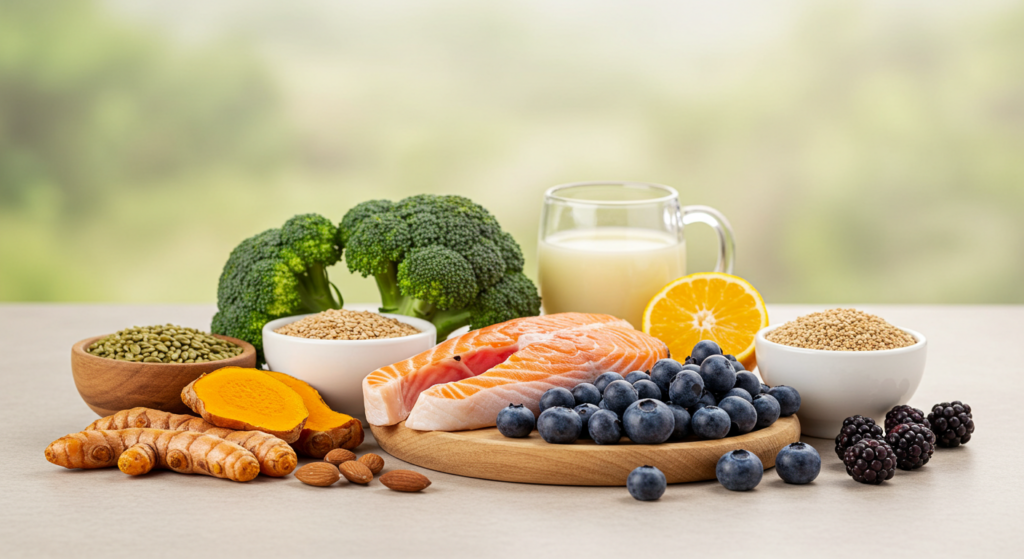
- Omega-3 Fatty Acids: These healthy fats are crucial building blocks for brain cells. Find them in fatty fish (salmon, mackerel, sardines), flaxseeds, chia seeds, and walnuts.
- Complex Carbohydrates: Unlike sugary snacks that cause energy crashes and mood swings, complex carbs provide steady energy. Choose oats, quinoa, brown rice, whole-wheat bread, and legumes (beans, lentils).
- Antioxidant Powerhouses: Berries (blueberries, strawberries), dark leafy greens (spinach, kale), and brightly colored vegetables help protect your brain from oxidative stress. Eat the rainbow!
- Probiotics & Prebiotics: Support a healthy gut microbiome with probiotic-rich foods like yogurt (with live cultures), kefir, sauerkraut, kimchi, and miso. Feed those good bacteria with prebiotic fiber from onions, garlic, bananas, asparagus, and oats.
- Lean Protein: Provides amino acids necessary for producing neurotransmitters that regulate mood and focus. Good sources include chicken, turkey, fish, eggs, beans, lentils, and tofu.
- Stay Hydrated: Dehydration can quickly lead to brain fog, fatigue, and irritability. Keep a water bottle handy throughout the day!
Foods to Be Mindful Of:
While balance is key, be aware that excessive intake of certain items can sometimes hinder mental clarity for some individuals:
- Sugary Drinks & Snacks: Can lead to energy crashes and mood swings.
- Highly Processed Foods: Often low in nutrients and may contribute to inflammation.
- Excessive Caffeine: Can increase anxiety or disrupt sleep in sensitive people. Pay attention to how it affects you.
Don’t Forget Mindful Eating!
Bringing awareness to how you eat is just as important. Slow down, savor the flavors and textures, and listen to your body’s hunger and fullness cues. This enhances digestion and appreciation for your food.
Nourishing your body with wholesome foods is an act of self-care that supports not just your physical health, but your mental and emotional resilience too. Small, consistent dietary improvements can make a noticeable difference in how you feel day-to-day.
(Disclaimer: This information is for general knowledge. Please consult with a healthcare provider or registered dietitian for personalized nutritional advice.)
What healthy foods make you feel your best mentally and physically? Share your tips!